
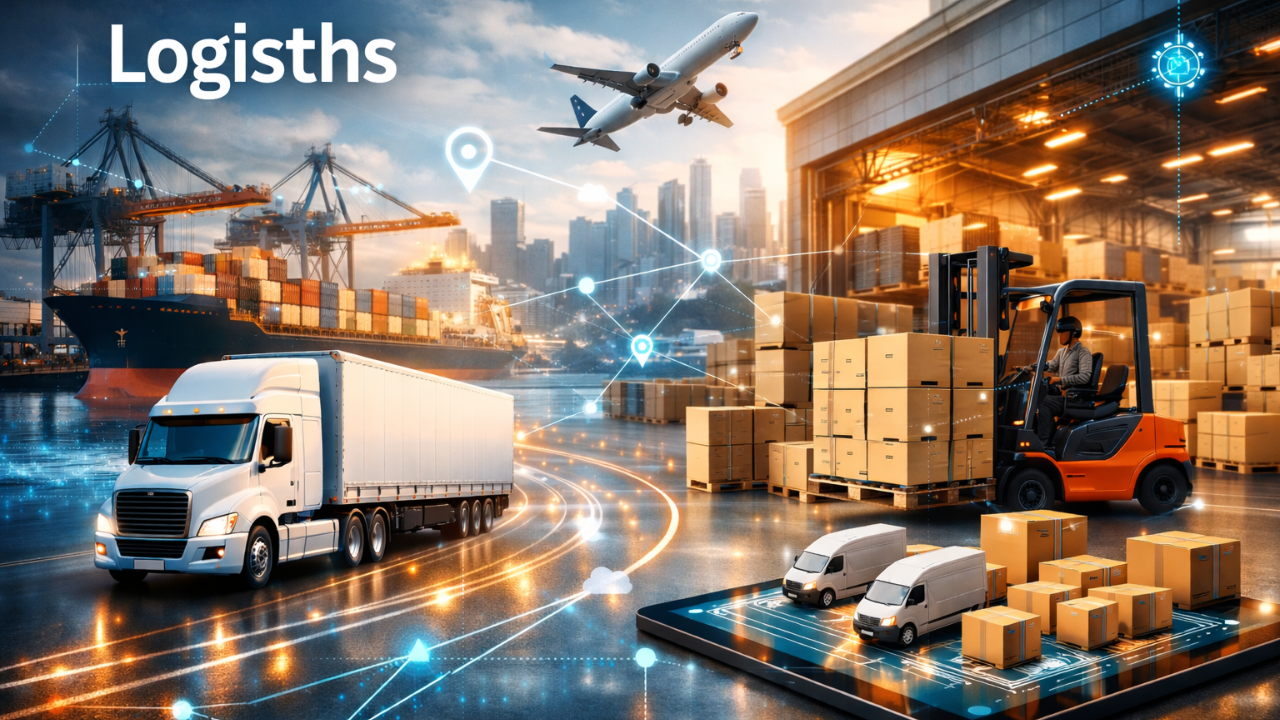
In today’s fast-paced digital era, technology is transforming the way businesses operate especially in areas like logistics and supply chain management. Two terms that are gaining attention but are still relatively new for many people are logisths and logisth AI. These concepts are reshaping how goods move around the world and how companies make smarter decisions faster.
This article explains everything you need to know about logisths and logisth AI in simple, clear English. It is written to be SEO-friendly, informative, and truly valuable for anyone whether you are a business owner, student, professional, or tech enthusiast. Throughout this article, we will use the focus keywords “logisths” and “logisth AI” naturally and meaningfully.
What Are Logisths?
Many people get confused when they first hear the word logisths. Simply put, “logisths” refers to data, systems, tools, and processes involved in logistics that are designed to improve how goods, products, information, and services move across supply chains.
Traditionally, logistics involved activities like storage, transportation, delivery, and shipment tracking. However, the concept of logisths expands beyond these basic functions. In today’s world:
- Logisths include smart systems that monitor movements in real time.
- They involve predictive analytics that forecast future demand and delays.
- They represent connected networks that communicate across devices, vehicles, warehouses, and humans.
In essence, logisths are the modern, intelligent layer of logistics blending technology with traditional supply chain tasks to work smarter, not harder.
Understanding Logisth AI
Once you understand what logisths are, the natural next question is what is logisth AI?
Logisth AI refers to the use of Artificial Intelligence (AI) specifically tailored for logistics systems. This kind of AI uses advanced machine learning, deep learning, and data processing to optimize logistical tasks.
Instead of managing logistics with spreadsheets, manual planning, or basic software, companies now rely on logisth AI to:
- Predict demand patterns
- Optimize delivery routes
- Reduce transportation costs
- Automate repetitive tasks
- Detect issues before they become problems
At its core, logisth AI means teaching machines to think more like human experts but with higher speed, accuracy, and ability to process huge amounts of data in real time.
How Logisths and Logisth AI Work Together
The combination of logisths and logisth AI is where true digital transformation happens in logistics.
Think of logisths as the framework the intelligent system that needs smart decision-making. And logisth AI as the brain the part that analyzes data, learns from patterns, and suggests optimal outcomes.
Here’s how they work:
- Data Collection: Sensors, GPS devices, inventory systems, and shipment trackers collect large volumes of data.
- AI Processing: Logisth AI analyzes that data using machine learning models to learn patterns and forecast needs.
- Intelligent Output: The output could be route suggestions, inventory reorders, predicted delivery times, or risk alerts.
- Action and Feedback: The system sends decisions to operators, drivers, or machines. Feedback then helps the AI improve continuously.
This cycle creates a self-learning logistics ecosystem that becomes more efficient every day.
Key Benefits of Logisth AI
Understanding the theory is important but seeing the benefits makes it practical. Below are some of the biggest advantages that companies experience when they adopt logisth AI:
4.1 Improved Accuracy and Efficiency
With human planning alone, mistakes happen, especially when dealing with large datasets. Logisth AI reduces errors by relying on data-driven decisions.
Faster Decision-Making
AI can evaluate millions of data points in seconds far faster than a human planner. This speeds up operations and reduces delays.
Cost Savings
Optimized routes, better inventory control, and lower fuel consumption all driven by logisth AI help companies spend less and earn more.
Enhanced Customer Experience
Customers today expect real-time tracking and precise delivery windows. Logisth AI makes this possible by analyzing shipment data and updating customers instantly.
Predictive Capability
Instead of reacting only after delays occur, modern systems use logisth AI to predict issues and help companies take proactive steps.
Real-World Applications of Logisth AI
Let’s look at some practical ways companies are already using logisth AI in real life.
Route Optimization
Delivery companies use logisth AI to calculate the fastest, cheapest, and most efficient routes for drivers. This helps save time and reduce fuel costs.
Warehouse Automation
In large warehouses, AI-driven robots powered by logisth AI can pick, pack, and sort products faster than humans and with fewer errors.
Demand Forecasting
Retailers use logisth AI to predict how much stock they will need each month. This helps prevent overstocking or understocking.
Predictive Maintenance
Vehicles and machines connected to logisth AI systems can alert operators before a breakdown occurs, reducing downtime.
Real-Time Shipment Tracking
AI systems can monitor shipments live, notifying stakeholders of delays, reroutes, or expected arrival times.
This list shows how versatile and powerful logisth AI can be across different logistics functions.
Industries Transforming with Logisth AI
While logistics is a universal function in many sectors, some industries are seeing especially powerful results with logisths and logisth AI:
Retail and E-Commerce
Fast delivery and inventory management are crucial here. Many top e-commerce companies use logisth AI to support same-day delivery and smart warehouse systems.
Manufacturing
Factories use logisth AI to coordinate raw materials and production schedules, ensuring materials arrive just in time without delays.
Transportation and Delivery Services
AI helps delivery fleets minimize cost and maximize coverage.
Healthcare and Medical Supplies
Hospitals and clinics rely on logisths and logisth AI to deliver critical supplies quickly and safely.
Food and Perishables
For companies that handle fresh foods or temperature-sensitive products, logisth AI provides timely alerts to maintain quality.
These examples show how different industries benefit from implementing logisth AI tools.
Tips and Strategies for Using Logisth AI
If you are considering implementing logisth AI for your business or project, here are practical recommendations to make the transition smooth and successful:
Start With Clear Goals
Identify what problem you want to solve whether it’s reducing delivery time, cutting costs, or improving tracking.
Collect Clean Data
AI only works well if your data is accurate. Organize your data collection system first.
Choose the Right Tools
There are many logisth AI platforms available. Evaluate features carefully before choosing one that fits your needs.
Train Your Team
Even the best AI tools need skilled people to manage them. Provide training to your staff.
Measure Progress
Set key metrics like delivery time, cost savings, and customer satisfaction, and track them regularly.
Start Small Before Scaling
Implement AI in one part of your logistics first. Once you see success, expand to other areas.
By following these strategies, businesses can use logisth AI more efficiently and avoid common implementation mistakes.
Common Challenges With Logisths and How to Overcome Them
While the benefits are significant, adopting logisth AI can come with challenges. Below are common issues and practical solutions.
High Initial Cost
Installing AI systems can be expensive upfront.
Solution: Start with a pilot project to test value before full investment.
Data Quality Issues
Poor data can lead to inaccurate predictions.
Solution: Improve your data collection process before AI deployment.
Resistance to Change
People may fear automation replacing jobs.
Solution: Educate teams and show how AI helps them do their job better, not replace them.
Integration Problems
Existing systems may not be designed to work with AI tools.
Solution: Work with experienced IT professionals to ensure smooth integration.
These challenges are common, but manageable with proper planning and support.
Future Trends in Logisths and Logisth AI
As technology evolves, so will the role of logisths and logisth AI. Below are major trends to watch in the coming years:
Edge AI Integration
Instead of sending all data to central servers, edge AI will process information locally for faster decisions.
Autonomous Vehicles
Driverless trucks and drones powered by logisth AI will become more common in delivery systems.
Greater AI Collaboration With IoT
Networked sensors and smart devices will work together with logisth AI for real-time optimization.
Sustainability Focus
AI systems will help companies reduce emissions, optimize routes for fuel efficiency, and promote green logistics.
Custom AI Models
More businesses will build personalized logisth AI models for their specific operations.
These trends show that logisth AI will continue expanding and improving global supply chains.
Conclusion: Why Logisth AI Matters
In today’s complex world, speed, accuracy, and cost-efficiency in logistics are more important than ever. Logisths represent the intelligent systems that manage modern logistics, while logisth AI provides the analytical power to make those systems smart, fast, and adaptive.
When combined, logisths and logisth AI help businesses:
- Save money
- Predict outcomes
- Improve customer satisfaction
- Make smarter operational decisions
- Stay competitive in a digital economy
Whether you are a student, business owner, or professional, understanding logisths and logisth AI is no longer optional it is essential. By adopting the right tools, strategies, and mindset, organizations can benefit from faster delivery, better planning, and smarter logistics all powered by the intelligence of AI.
The future of logistics is here and logisth AI is leading the way.
FAQs About Logisths
What are logisths?
Answer: Logisths are modern systems, tools, and processes that help businesses manage logistics efficiently. They optimize the movement of goods, services, and information across supply chains, making operations faster, smarter, and more cost-effective.
How do logisths improve business operations?
Answer: Logisths improve business operations by streamlining workflows, reducing errors, predicting delays, and ensuring timely deliveries. Companies using logisths experience higher efficiency, lower costs, and better customer satisfaction.
Which industries benefit the most from logisths?
Answer: Logisths are valuable across many industries, including e-commerce, retail, manufacturing, healthcare, and food delivery. Any business that relies on supply chains or transportation can benefit from logisths.
What are the key benefits of implementing logisths?
Answer: Key benefits of logisths include improved efficiency, reduced operational costs, faster decision-making, enhanced inventory management, and better tracking of shipments and deliveries.
How can a business start using logisths effectively?
Answer: To use logisths effectively, businesses should start by setting clear goals, collecting accurate data, choosing the right tools, training their team, and continuously monitoring results to improve logistics processes.
