
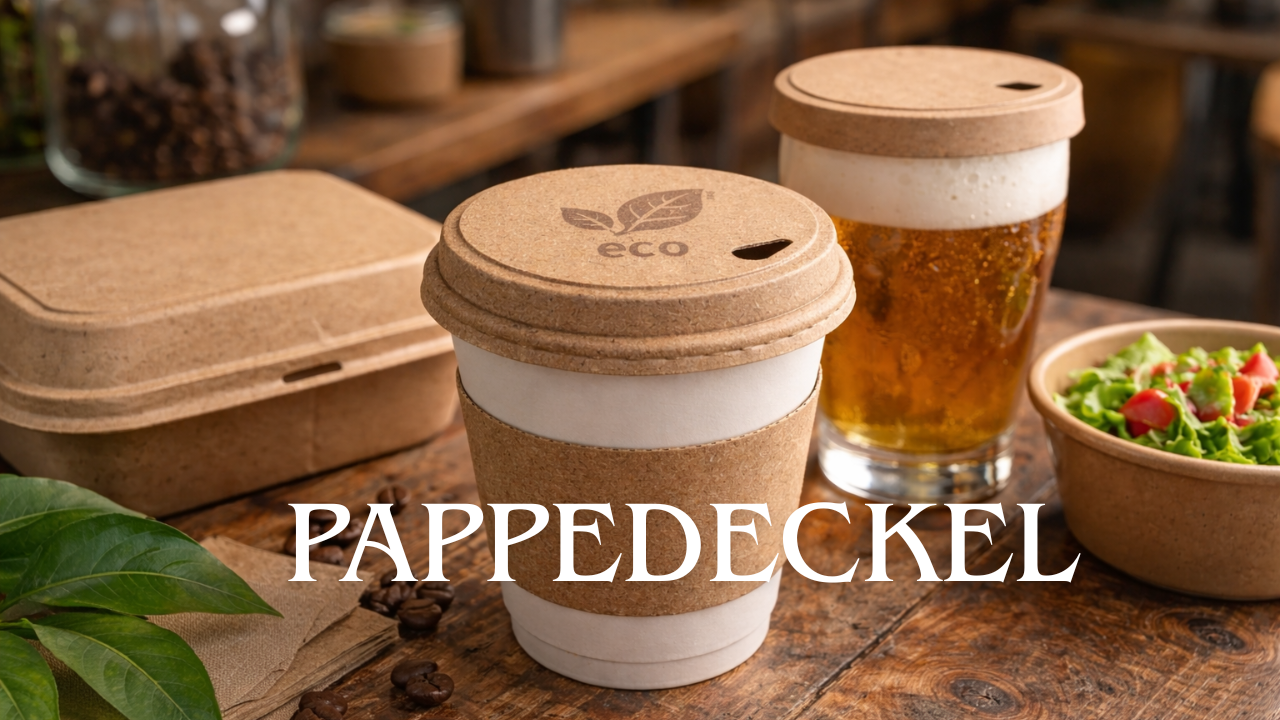
The term pappedeckel is derived from the German words “Pappe,” which refers to “cardboard,” and “Deckel,” which refers to “lid.” The term pappedeckel, therefore, refers to a “cardboard lid.” The pappedeckel is a powerful piece of paperboard designed for covering cups, containers, or acting as a coaster in cafes, pubs, and take-away shops.
The pappedeckel may be a small item in the real world, but it has become a symbol of sustainability, culture, and effective packaging design. Currently, businesses around the world are using the pappedeckel as a way of reducing waste, protecting products, enhancing hygiene, and even marketing themselves. In this comprehensive guide, you will learn about the pappedeckel, its uses, the benefits of using the pappedeckel, the design of the pappedeckel, and the tips for selecting the right pappedeckel for your needs.
The Meaning and Origins of Pappedeckel
A pappedeckel is basically a cardboard lid or cover made from compressed paperboard. Originally developed in Germany, it was used to protect drinks and food, especially in cafés and beer gardens where condensation and spilled liquids could damage tables.
Over time, pappedeckel became an important part of daily life and even local culture. In some German beer gardens, placing a pappedeckel over a glass signals to staff that you’re not finished blending function with social meaning.
Today, pappedeckel is used around the world in packaging, food service, and sustainable living efforts making this simple cardboard lid far more significant than its humble appearance suggests.
Key Uses of Pappedeckel in Everyday Life
Here’s how pappedeckel is practically used today:
Eco‑Friendly Cup and Drink Lids
Instead of plastic lids, many cafés and takeaway shops use pappedeckel lids for coffee, tea, and cold beverages. These lids help prevent spills and are fully biodegradable.
Beer Coasters and Cultural Tools
In German breweries and beer gardens, pappedeckel doubles as a coaster — protecting surfaces from moisture and often featuring artwork, logos, or local branding.
Food Packaging and Transport Covers
Restaurants and bakeries use pappedeckel to cover food containers and plates, keeping contents fresh and hygienic during transport.
DIY and Creative Projects
Because they are lightweight and easy to customize, pappedeckel has become a favorite material for arts, crafts, school projects, and creative reuse.
2.5 Promotional and Branding Material
Businesses print logos, messages, or promotional content on pappedeckel to engage customers and improve brand visibility.
Materials and How a Pappedeckel Is Made
Most pappedeckel are made from recycled cardboard or paperboard. The process includes:
- Pulping and forming paperboard sheets
- Pressing for thickness and strength
- Die‑cutting into precise shapes
- Optional printing and coating for moisture resistance
Some versions include water‑resistant coatings or biodegradable layers so they can withstand hot drinks or light moisture without losing integrity.
Environmental Benefits: Why Pappedeckel Matters
Recyclable and Biodegradable
Unlike plastic lids, a pappedeckel breaks down naturally and can be recycled through standard paper streams.
Lower Environmental Impact
Lifecycle studies show cardboard lids produce significantly fewer carbon emissions than plastic lids.
Reduces Waste and Plastic Use
When businesses switch to pappedeckel, they help cut down plastic consumption and support sustainability goals.
5. How to Choose the Right Pappedeckel
When selecting the best pappedeckel for your needs, consider:
- Material Grade: Recycled vs. virgin board
- Thickness: Ensure durability for hot drinks or heavier containers
- Coating: Water‑resistant coatings for beverages
- Printable Surface: For logos or designs used in marketing
- Certifications: FSC or PEFC certifications for eco‑friendly sourcing
This thoughtful selection improves performance and aligns with sustainability goals.
Tips for Using Pappedeckel Successfully (Business & Home)
✔ Customize with branding: Boost visibility and customer engagement.
✔ Encourage reuse: Suggest creative repurposing for crafts or household tasks.
✔ Educate customers: Highlight eco benefits to build trust.
✔ Choose proper coatings: For hot liquids, select heat‑resistant options.
Frequently Asked Questions (FAQs)
What exactly is a pappedeckel?
A pappedeckel is a cardboard lid or paperboard cover used to seal drinks or containers. It is lightweight, recyclable, and biodegradable, making it ideal for sustainable packaging.
Is a pappedeckel eco‑friendly?
Yes unlike plastic lids, pappedeckel breaks down naturally, can be recycled, and reduces waste, supporting environmental goals.
Where are pappedeckel commonly used?
They are used in cafés for drink lids, breweries as coasters, restaurants for food packaging, and even in crafts or promotions.
Can pappedeckel replace plastic lids entirely?
In many cases, yes especially where biodegradability and sustainability are priorities, though moisture resistance and strength should be considered.
How should businesses choose the best pappedeckel?
Evaluate material quality, thickness, coating options, and certification to ensure it meets your product needs and sustainability goals.
Conclusion: Why Pappedeckel Is More Than Just Cardboard
The pappedeckel may seem simple, but its impact is far‑reaching. From promoting sustainable packaging choices to serving as an eco‑friendly lid in cafés and beer gardens, pappedeckel bridges tradition with modern environmental innovation. Whether you’re a business owner looking to reduce plastic waste or someone curious about sustainable products, understanding pappedeckel helps you make smarter, greener choices.
👉 Call to Action: Consider switching to eco‑friendly pappedeckel solutions for your café, event, or home and contribute to a more sustainable future.
