
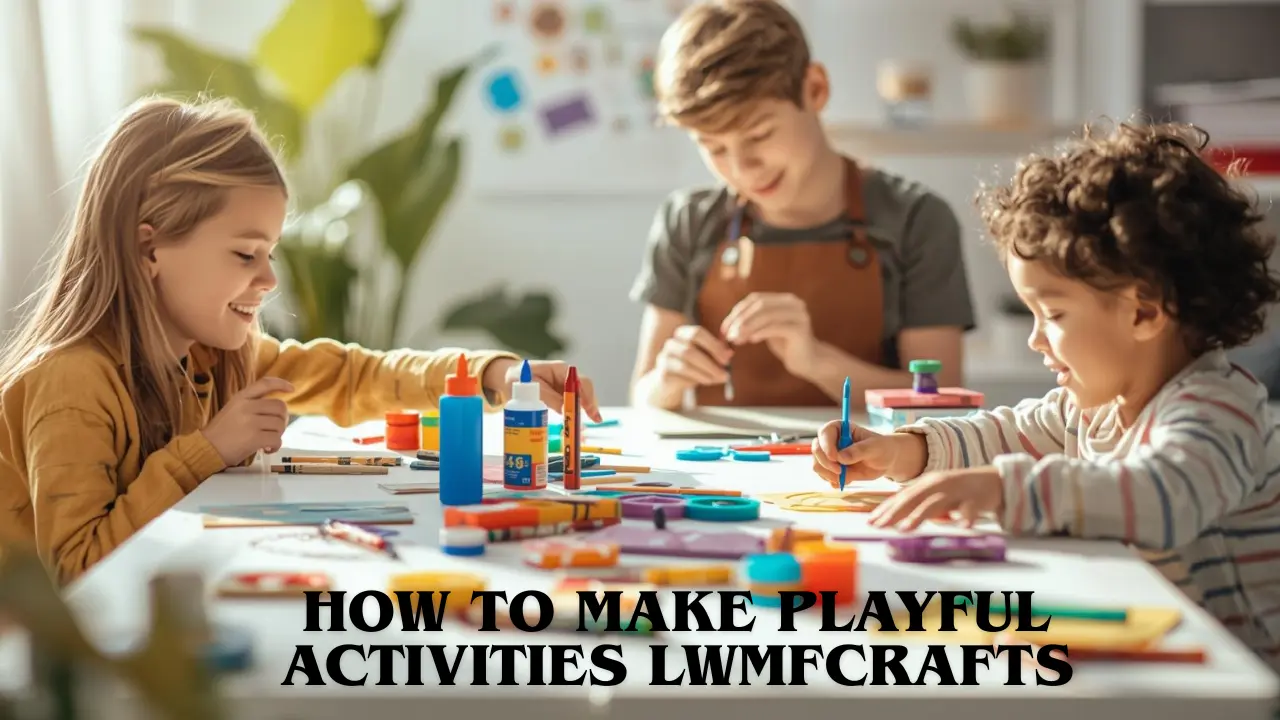
Parents, teachers, and beginners often struggle to find activities that are fun and meaningful at the same time. Screens are everywhere, attention spans are shrinking, and creative play sometimes gets overlooked. This is where understanding how to make playful activities lwmfcrafts becomes valuable. These activities combine imagination, learning, and hands-on creativity in a way that feels natural and enjoyable. This guide is designed to help you create playful crafts that are easy, affordable, and genuinely useful for learning and development.
What Are Playful Activities and Why They Matter
Playful activities are hands-on experiences that encourage creativity, curiosity, and problem-solving. They help children and beginners learn without pressure, making the process feel fun instead of forced. Through playful learning, users build confidence, motor skills, and independent thinking.
Some key reasons playful activities matter include:
- They improve focus and attention
- They support emotional and social growth
- They encourage creativity and imagination
- They make learning enjoyable and stress-free
When done correctly, playful crafts can turn simple moments into meaningful learning experiences.
What Is Lwmfcrafts? (Explained Simply)
Lwmfcrafts is a creative approach that blends learning, working, making, and fun into structured yet flexible craft activities. These crafts are designed to be simple, low-cost, and adaptable for different ages. The idea is to use everyday materials while focusing on skill-building through play.
Understanding how to make playful activities lwmfcrafts means creating crafts that feel exciting while quietly supporting learning goals like coordination, creativity, and problem-solving.
Step-by-Step Guide: How to Make Playful Activities Lwmfcrafts
Step 1: Choose a Clear Purpose
Before starting, decide what skill you want to support. It could be creativity, fine motor skills, color recognition, or teamwork.
Step 2: Gather Simple Materials
Most activities can be made using household items like paper, cardboard, glue, colors, buttons, or recycled materials.
Step 3: Design the Activity
This is where how to make playful activities lwmfcrafts really comes into action. Keep instructions simple, flexible, and open-ended so users can explore freely.
Step 4: Encourage Exploration
Let participants experiment without strict rules. The goal is learning through discovery, not perfection.
Step 5: Reflect and Improve
After the activity, ask simple questions like “What did you enjoy?” or “What would you change next time?”
Benefits for Kids, Parents, Teachers, and Beginners
Learning how to make playful activities lwmfcrafts brings benefits for everyone involved. Kids enjoy learning without pressure, parents feel confident supporting development at home, and teachers gain flexible tools for the classroom.
Key benefits include:
- Improved creativity and imagination
- Stronger problem-solving skills
- Better hand-eye coordination
- Increased confidence and independence
- Affordable and easy-to-create activities
Creative Ideas and Practical Examples
Once you understand how to make playful activities lwmfcrafts, the creative possibilities are endless. Here are a few simple ideas:
- Color-sorting games using paper and markers
- Shape-building with cardboard and glue
- Storytelling crafts using drawings and cut-outs
- Nature-based crafts using leaves and stones
- Recycled material art projects
Each idea can be adjusted based on age, skill level, and available materials.
Tips, Best Practices, and Common Mistakes to Avoid
When learning how to make playful activities lwmfcrafts, keep these tips in mind:
Best Practices:
- Keep activities age-appropriate
- Focus on process, not results
- Allow freedom and creativity
- Use clear but flexible instructions
Common Mistakes to Avoid:
- Overcomplicating the activity
- Expecting perfect results
- Rushing the process
- Ignoring safety guidelines
Safety, Age-Appropriate Guidance, and Usability Tips
Safety should always come first when exploring how to make playful activities lwmfcrafts. Choose materials that are safe for the age group and avoid sharp or harmful items for younger users.
Helpful safety tips include:
- Supervise younger children
- Use non-toxic materials
- Adjust difficulty based on age
- Ensure tools are easy to handle
Proper planning makes the experience enjoyable and worry-free.
Frequently Asked Questions
Are playful craft activities suitable for all ages?
Yes, they can be adjusted easily for toddlers, kids, and beginners by changing materials and complexity.
Do I need special tools to start?
No, most playful crafts use simple household or recycled materials.
How long should a playful activity last?
Activities can last anywhere from 10 to 40 minutes, depending on age and interest.
Can these activities support learning goals?
Absolutely. When designed well, they support creativity, focus, and basic learning skills.
Why is learning how to make playful activities lwmfcrafts useful for beginners?
Because it provides a simple, structured way to combine fun with meaningful learning.
Conclusion
Learning how to make playful activities lwmfcrafts is about more than just crafts—it’s about creating joyful learning moments that feel natural and rewarding. With simple materials, thoughtful planning, and a playful mindset, anyone can design activities that inspire creativity and growth. Start small, stay flexible, and enjoy the process. With practice, you’ll build experiences that truly make a difference and keep users excited to learn more.
